Fetu Afahye is Cape Coast's signature festival, a joyous thanksgiving and harvest celebration held by the Oguaa Traditional Area to honor the deity Nana Tabir and give thanks for the year's fishing and agricultural harvest, protection from disease, and communal well-being.
What to Expect
The festival opens with a period of purification rites and a ban on drumming and noise-making in the weeks prior, observed to allow the gods to "hear" the community's prayers undisturbed — a tradition shared with several other Fante coastal towns. When the ban lifts, Cape Coast erupts into celebration. The main event is a spectacular durbar along the town's main streets: the Omanhen (paramount chief) of Oguaa and his sub-chiefs parade in palanquins under ornate state umbrellas, dressed in kente and gold, while asafo companies perform war dances and fire ceremonial muskets into the air.
Street carnival elements make Fetu Afahye especially lively for visitors — brass bands, masquerade-style costumed performers, and community groups march in colorful procession through town, and the atmosphere along the route feels closer to a street party than a solemn rite. Fishing canoes are blessed at the shore, and community feasts follow the main durbar.
History & Cultural Significance
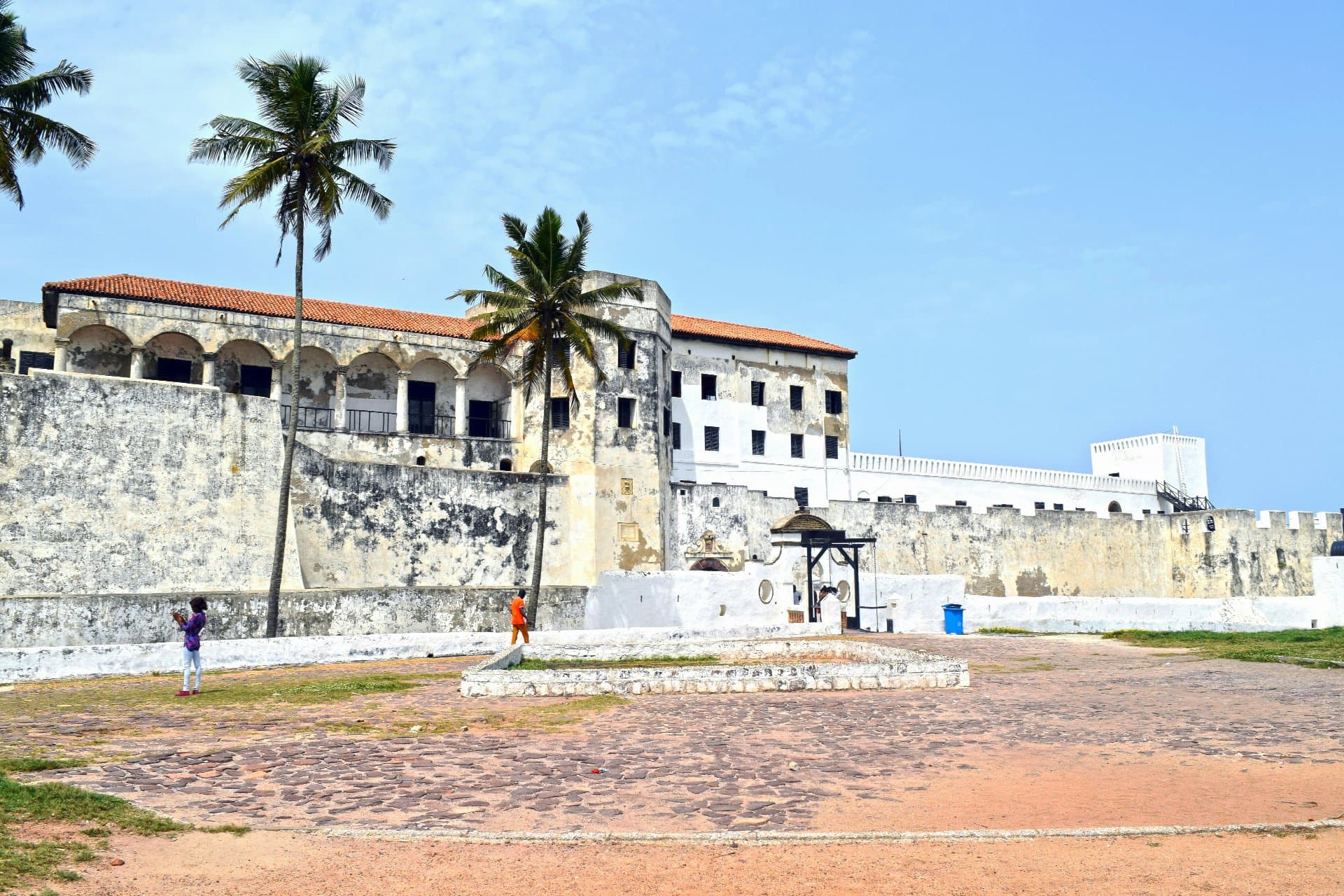
Fetu Afahye has roots stretching back centuries in Fante coastal tradition, tied to seasonal fishing cycles and the belief that annual thanksgiving to the gods secures continued prosperity and protection for the town. Cape Coast, once the seat of British colonial administration on the Gold Coast, layers this indigenous festival with its own distinct historical identity — the durbar route passes within view of Cape Coast Castle, linking the celebration to the town's complex colonial-era history.
Practical Info
Held on the first Saturday of September, the festival draws large crowds from across the Central Region. The best viewing points are along Cape Coast's main commercial street near the durbar grounds. Pair a visit with a stop at Cape Coast Castle, a short walk from the festivities. Entry to public celebrations is free.
References