Most travel advice steers visitors away from Ghana's rainy season, which runs roughly May through October with a peak around June and July, tapering into a shorter secondary rains period in September and October. That advice isn't wrong, exactly, but it's incomplete. Rainy season in Ghana isn't a solid wall of downpour — it's typically a pattern of intense but short showers, often concentrated in the late afternoon or overnight, followed by long stretches of clear, washed, dramatically green weather. For the right kind of traveler, it's arguably the best time to visit: waterfalls run at full, thundering volume, forests are at their deepest green, crowds thin out considerably, and accommodation prices often drop. This guide covers where rainy season actually improves the experience and what to pack to travel through it comfortably.
Why Rainy Season Is Underrated
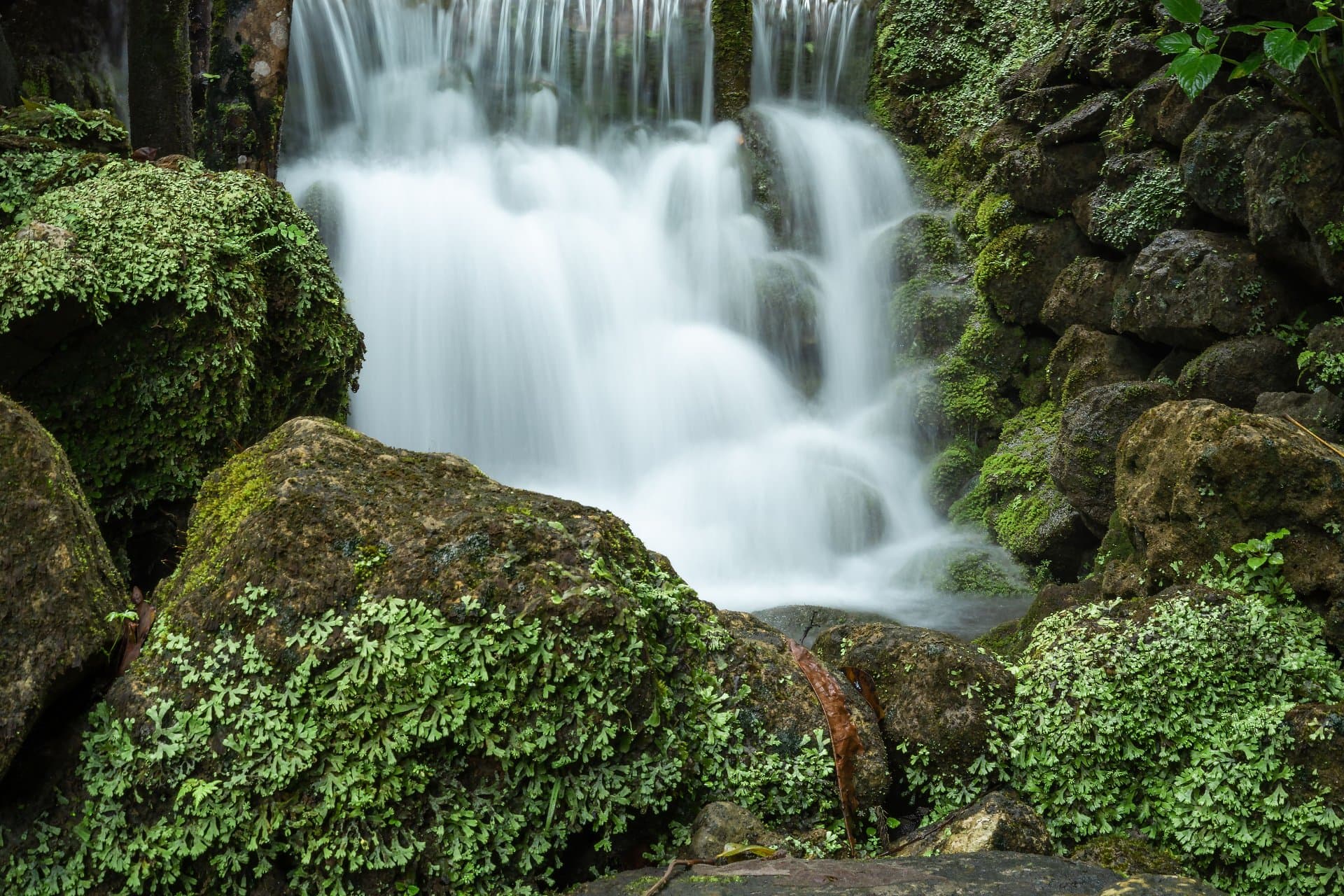
The core case for rainy season travel is simple: Ghana's waterfalls, which are middling trickles by the end of dry season, become genuinely spectacular once the rains arrive. Rivers that barely move in March are thundering by July. Forest reserves that look dusty and brown in the dry months turn a saturated, glossy green that photographs beautifully, especially in the soft, diffused light that follows a rain shower. Tourist numbers drop noticeably at every major site, which means shorter queues at castle tours, quieter canopy walks, and a generally more relaxed pace everywhere. The tradeoff is straightforward: some unpaved roads become difficult or impassable, a handful of activities (notably longer wilderness hikes and certain 4x4-dependent routes) require more caution, and you need to build flexibility into your schedule for the occasional rained-out day.
Wli Waterfalls
Wli Waterfalls, already the tallest in West Africa, transforms into something genuinely thunderous during rainy season — the volume of water dropping over the cliff face increases dramatically, and the spray zone around the plunge pool extends much further than in dry months. This is, without question, the best time of year to see Wli at its most powerful; just be prepared to get properly wet if you approach the lower falls, and expect the upper falls trail to be muddier and slower going. A dry bag for cameras and electronics is non-negotiable here during these months.
Kintampo Waterfalls
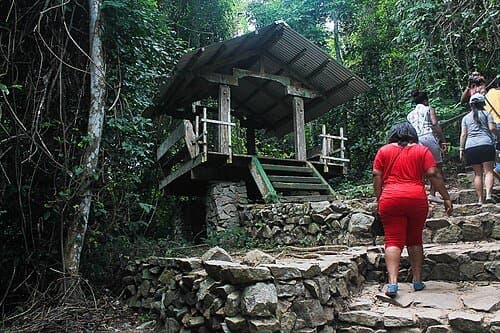
In the Bono East Region, Kintampo Waterfalls cascades down a series of rock terraces that run at a fraction of their potential during the dry months but become a genuinely impressive multi-tiered flow once the rains set in. The approach trail can turn slippery, so sturdy, grippy footwear matters more here than at almost any other site on this list. The surrounding forest, meanwhile, is at its most vibrant, making the whole visit feel considerably more dramatic than a dry-season trip to the same spot.
Boti Falls
Boti Falls in the Eastern Region actually changes shape with the seasons — during rainy season the two cascades often merge into a single powerful waterfall, rather than running as the separate twin falls visitors see in drier months. It's a genuinely different sight depending on when you go, and rainy season delivers the more dramatic of the two versions. The surrounding forest boardwalk and the nearby umbrella rock formations are equally striking against the deep green backdrop rainy season produces.
Kakum National Park
Rainforest, somewhat obviously, does its best work in the rain. Kakum National Park's canopy is noticeably denser and greener during these months, and the understory comes alive with a chorus of insect and bird activity that's considerably quieter in dry season. The canopy walkway itself remains open through rainy season (closures are rare and typically only for genuinely severe weather), though it's worth checking ahead and building in a buffer day in case of closure. Early morning visits, before the day's rain typically arrives, offer the best combination of dry weather and misty, atmospheric canopy views.
National Museum of Ghana
Not every rainy-season strategy has to involve chasing waterfalls through mud. The National Museum of Ghana in Accra is an obvious, comfortable rainy-day option — a well-curated collection covering the country's precolonial kingdoms, the transatlantic slave trade, and the independence movement, all under one dry roof. Building a rainy afternoon around the museum, followed by a nearby café, is a sensible way to structure a day when the forecast looks unpromising, and it's a worthwhile stop regardless of season.
Kumasi Central Market (Kejetia)
Markets, largely covered or under dense stall canopies, are similarly well-suited to rainy weather. Kejetia Market in Kumasi operates regardless of rain, and a shower outside can actually make the covered sections feel more atmospheric — the sound of rain on tin roofing overhead while trade continues underneath is a genuinely memorable sensory experience. It's also, practically speaking, one of the few major attractions where a downpour doesn't meaningfully interrupt your visit.
Aburi Botanical Gardens
Just outside Accra in the cooler Akuapem hills, Aburi Botanical Gardens benefits enormously from rainy season — the century-old trees and manicured lawns take on a lush, deep-green intensity that the dry months simply can't match, and the elevated, breezy setting keeps the humidity more bearable than in the lowlands. Showers here tend to be short and are easily waited out under the gardens' substantial tree cover, making it a low-risk, high-reward rainy-season outing.
Ankasa Conservation Area
For travelers specifically chasing rainforest at its most intense, Ankasa Conservation Area in the far southwest is essentially rainy season's showcase destination — one of the last blocks of true closed-canopy rainforest in Ghana, and one that floods and thickens dramatically during these months. Access roads can become genuinely difficult, so this is a destination that demands a 4x4, an experienced local driver, and real flexibility in your schedule. The payoff is forest at its most vivid, with butterfly activity and understory growth considerably more pronounced than in the dry season.
What to Pack
A light, packable rain jacket does more work than a poncho or umbrella in Ghana's humidity — you'll overheat inside heavier rain gear. Quick-dry clothing, a dry bag for electronics, and shoes with real grip (rather than smooth-soled sandals) will make the muddier trails considerably more manageable. Build slack into any itinerary involving unpaved roads, since a single heavy downpour can delay a route by hours even if it clears within the day. And don't discount the mornings — in most of Ghana, the heaviest rain tends to arrive in the afternoon or overnight, leaving a genuinely reliable window each morning for outdoor activity before the sky changes.
A few smaller items make a real difference too: a compact travel umbrella for city errands between showers, a spare change of clothes packed in its own waterproof bag in case you get caught out, and a portable phone charger for the occasional power interruption that can accompany a heavy storm. If you're driving yourself rather than hiring a driver, check tire tread before setting out on any unpaved route, and always ask locally about river crossings that can rise quickly after a storm further upstream — a shallow ford in the morning can be impassable by afternoon.
Plan Your Trip
Rainy season rewards travelers who build flexibility into their schedule rather than a tight, waterfall-to-waterfall itinerary. Front-load outdoor activity into the mornings, keep a museum or market visit in your back pocket for the rainier afternoons, and prioritize the waterfalls and rainforests on this list — they are, without exaggeration, better in July than in January. Combined with lower prices and thinner crowds, it's a genuinely compelling case for ignoring the conventional dry-season-only advice.
References

 Kofi Mensah