Ghana doesn't market itself as an adventure destination the way East Africa or Southeast Asia does, which is part of what makes it exciting for travelers who go looking. Within a country roughly the size of the United Kingdom, you can walk a rainforest canopy at treetop height, hike a country's highest peak before breakfast, surf a genuinely world-class break, kayak across a meteorite crater lake, and track elephants on foot — often within the same week, and almost always without the crowds you'd find at comparable destinations elsewhere. This guide runs through the best of it, with practical notes on difficulty, timing, and what to bring.
Kakum National Park — Canopy Walkway
The signature adventure activity in southern Ghana is the canopy walkway at Kakum National Park — a series of suspended rope-and-plank bridges strung between rainforest giants nearly 30 meters above the forest floor, stretching over 350 meters in total. It's not technically demanding (no climbing skill required), but the swaying bridges and the sheer height are enough to test anyone uneasy with heights. Go on the earliest available tour, both to beat the crowds that make the bridges bounce more and to catch the best chance of spotting monkeys and hornbills moving through the canopy before the day's heat settles in.
Mount Afadjato — Ghana's Highest Peak
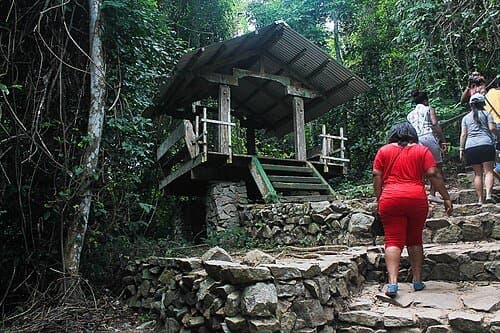
At 885 meters, Mount Afadjato in the Volta Region is Ghana's highest point, and the hike to its summit is steep, humid, and genuinely rewarding — figure on 2-3 hours round trip depending on fitness, scrambling over roots and loose rock in the final push. Local guides from the base village are mandatory and worth every cedi; they know the route, set a sustainable pace, and can point out the monkeys that inhabit the surrounding forest. Go early morning to avoid the worst of the heat and to catch the summit views across the Ghana-Togo border hills before afternoon haze rolls in.
Busua Beach — Surfing
Busua Beach in the Western Region is the epicenter of Ghana's small but committed surf scene, with a consistent beach break that suits beginners and intermediates particularly well. Several surf schools right on the beach rent boards and offer lessons, and the vibe is unpretentious — a mix of local surfers who grew up on this break and travelers who showed up for a weekend and stayed a month. The best swells generally arrive June through September, though the break is rideable for most of the year. Even non-surfers will enjoy the beach itself, one of the most consistently pleasant stretches of coastline in the country.
Lake Bosomtwe — Kayaking
Ghana's only natural lake, Lake Bosomtwe fills a crater gouged out by a meteorite impact more than a million years ago, and its calm, enclosed waters make it an unusually good spot for kayaking — you're paddling inside a geological event, ringed by forested crater walls on all sides. Several lakeside guesthouses rent kayaks and canoes by the hour; mornings offer the calmest water and the best light for photography as you paddle. The lake is sacred to the Ashanti people, so motorized boats are traditionally restricted, which keeps the paddling experience unusually peaceful.
Kwahu Plateau — Paragliding
Each Easter, the Kwahu Plateau in the Eastern Region hosts Ghana's largest paragliding festival, drawing pilots from across West Africa and beyond to launch off the plateau's dramatic escarpment edge with the patchwork valleys below spread out for kilometers. Outside festival dates, the plateau remains a striking destination in its own right — cooler temperatures than the lowlands, dramatic cliff-edge viewpoints, and a handful of operators who can arrange tandem flights with advance notice even when the main festival crowd isn't in town. If your trip can be timed around Easter weekend, this is one of the most genuinely exhilarating scheduled events in the country.
Cape Three Points — Coastal Hiking
The rugged, palm-fringed coastline at Cape Three Points, Ghana's southernmost point, offers some of the best coastal hiking in the country — trails winding through forest right down to secluded coves, past a working lighthouse, with almost no other visitors on the path. There's no marked trail network in the formal sense, so a local guide from the nearby community is recommended both for navigation and to point out the best swimming coves along the way. Bring sturdy footwear; the terrain shifts between soft sand, slick rock, and forest root systems within a single walk.
Wli Waterfalls — Waterfall Trekking
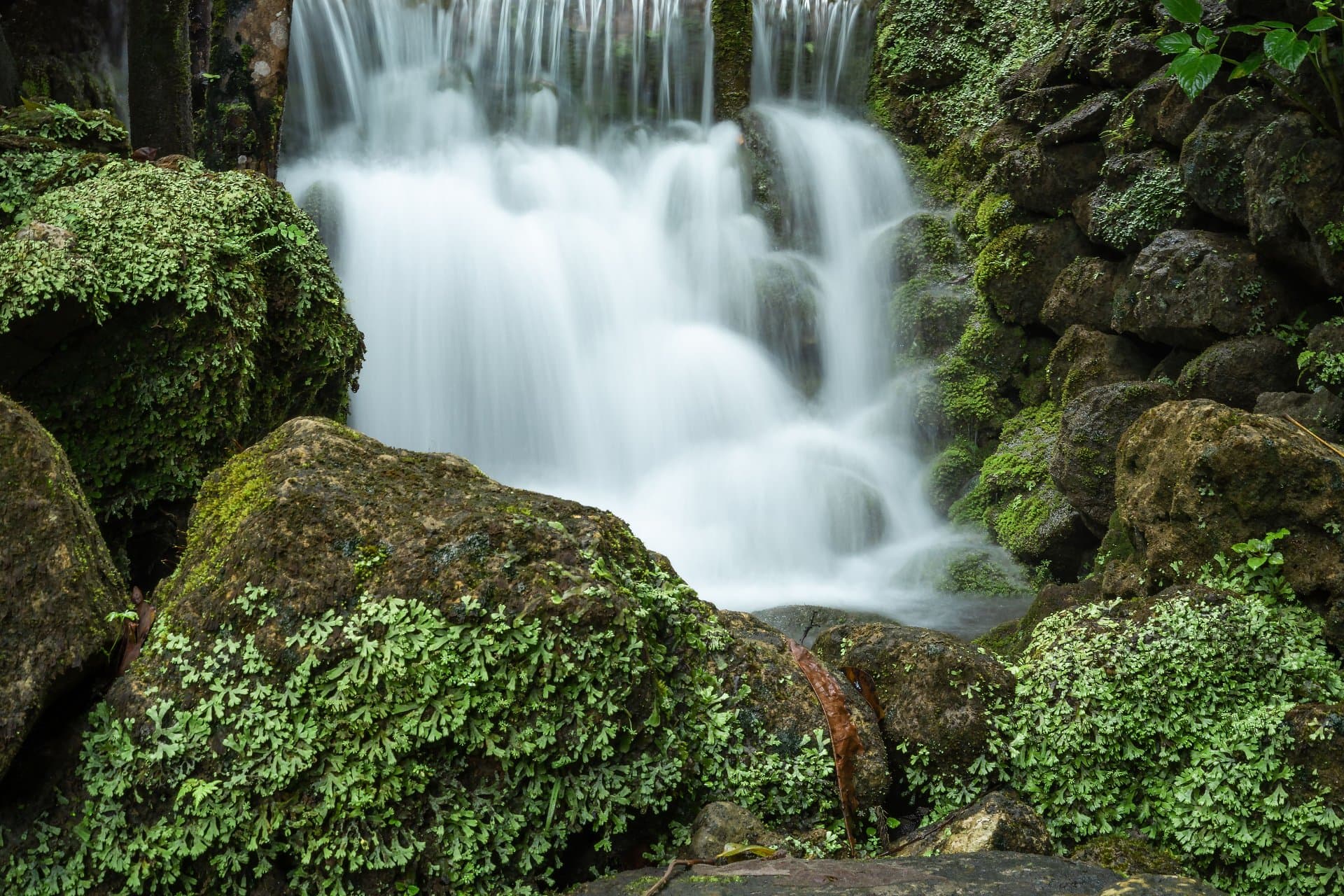
Wli Waterfalls, the tallest in West Africa, offers two distinct hikes: an easy 45-minute walk to the lower falls suitable for most fitness levels, and a considerably tougher 4-5 hour round trip to the upper falls that involves real elevation gain and several stream crossings. The upper hike rewards you with a much smaller crowd and a dramatic, cliff-ringed plunge pool where thousands of fruit bats roost overhead. Go with a guide from the Wli Agumatsa community, and budget the whole day if you're attempting the upper falls — it's not a rushed outing.
Boti Falls — Twin Waterfall Trekking
In the Eastern Region, Boti Falls offers an easier, family-friendly adventure — a short walk to a dramatic twin waterfall setup (the falls run as one during rainy season, splitting into two separate cascades in drier months), plus a nearby suspension bridge and a set of unusual rock formations locally called the "umbrella rocks" worth the short additional walk. It's a good warm-up destination if you're building toward the tougher hikes at Afadjato or Wli later in your trip.
Mole National Park — Walking Safaris
Mole National Park is one of the few places in Africa where you can safely walk on foot alongside armed park rangers within striking distance of wild elephants — a fundamentally different experience from a vehicle safari, with your senses considerably more engaged. Early morning walks (typically departing around 6:30am) offer the best chance of encountering elephants at the waterhole below the park's viewing platform, alongside kob antelope, warthogs, and baboons along the way. Dry season (December-April) concentrates wildlife more reliably around the waterholes.
What to Pack
Footwear does the most work on this list — bring one pair of grippy trail shoes for Afadjato and Cape Three Points, and a pair of sandals that can get wet for Wli and Boti's stream crossings. A dry bag protects electronics on any waterfall hike and doubles as flotation gear if you're kayaking at Bosomtwe. Reef-safe sunscreen and a hat matter more than they sound at Busua, where the coastal sun is stronger than the breeze lets on, and a light long-sleeve layer earns its keep on cooler mornings at altitude on the Kwahu Plateau and Afadjato's summit. If you're chasing the Easter paragliding festival specifically, book accommodation on the plateau months ahead — it's the busiest weekend of the year in that corner of the Eastern Region and rooms sell out early.
Plan Your Trip
If you're building an adventure-focused itinerary, a rough east-to-west or north-to-south loop works well: start with Kakum's canopy walk near the coast, work through Cape Three Points and Busua for coastal hiking and surfing, swing north through Lake Bosomtwe for a calmer kayaking day, and finish with Mole's walking safaris if your route extends that far north. Pack layers — mornings on the Kwahu Plateau and at altitude on Afadjato are noticeably cooler than the humid coast — and always hire local guides where recommended; the terrain and wildlife both reward local knowledge that no map can replace.
References

 Kofi Mensah