Most first-time visitors to Ghana follow a predictable arc: Accra, Cape Coast, Kakum, Kumasi, maybe Mole if there's time. It's a great trip, and there's a reason it's the standard route. But Ghana's map holds a second layer of destinations — places that take real effort to reach, see a handful of visitors a year rather than a day, and reward that effort with something the well-trodden circuit can't offer: genuine unfamiliarity. This guide is for travelers who have already done the classics, or who simply want their Ghana trip to feel like discovery rather than a checklist.
A word of preparation: almost everything on this list requires either a 4x4, a local driver who knows the roads, or a willingness to ask around in the nearest town for directions that won't appear on any map app. Build in extra days, carry cash (there are no ATMs out here), and always let someone know your route before you set off.
Nzulezo Stilt Village
We'll start with the one destination on this list that has some name recognition, because it earns its place as a gateway into "hidden Ghana." Nzulezo, an entire village built on stilts over Lake Tadane in the Western Region, requires a 45-minute canoe paddle through mangrove channels just to arrive — there is no road in. Roughly 500 people live here, descendants of a Wa community that settled the lake centuries ago following a snail that, according to oral history, led them to the water. Once you're past the initial canoe journey, few tour operators push further into the surrounding wetlands, which hide their own network of quiet channels worth a slow afternoon exploring by canoe.
Kyabobo National Park
Tucked against the Togo border in the northern Volta Region, Kyabobo National Park is Ghana's least-visited major reserve — some years it registers fewer visitors than Mole sees in a single week. The terrain is mountainous rather than flat savanna, with forested slopes rising to over 900 meters and trails that wind through habitat for baboons, duikers, and if you're extremely fortunate, the elusive forest elephant. Infrastructure is minimal: there's a small ranger station, basic camping, and guides who know the trails but rarely get to use their English. Come with your own tent and supplies, and expect a genuinely wild hiking experience with essentially no other tourists on the trail.
Ankasa Conservation Area
In the far southwest corner of Ghana, hard against the Ivorian border, Ankasa Conservation Area protects one of the last substantial blocks of true tropical rainforest in the country — the kind with a closed canopy, buttressed hardwood trees, and a wet, green intensity that feels more Central African than coastal West African. The park floods regularly in rainy season, which keeps casual visitors away and keeps the forest exceptionally intact. Forest elephants, bongo antelope, and over 600 butterfly species live within its boundaries, though sightings require patience and a knowledgeable local guide. The access road alone, cut through dense forest, is an experience.
Gwollu Defence Wall
Near the Burkina Faso border in the Upper West Region, the Gwollu Defence Wall is a crumbling but still striking laterite fortification built in the 19th century to protect the local Sisala community from slave raiders. Walking its remaining sections, now overgrown with grass and shaded by baobab trees, is a quiet, almost meditative way to engage with a chapter of Ghanaian history that receives far less attention than the coastal forts. A small community museum nearby, run largely by volunteers, offers context on the region's resistance history — a donation goes a long way here.
Nakpanduri Scarp
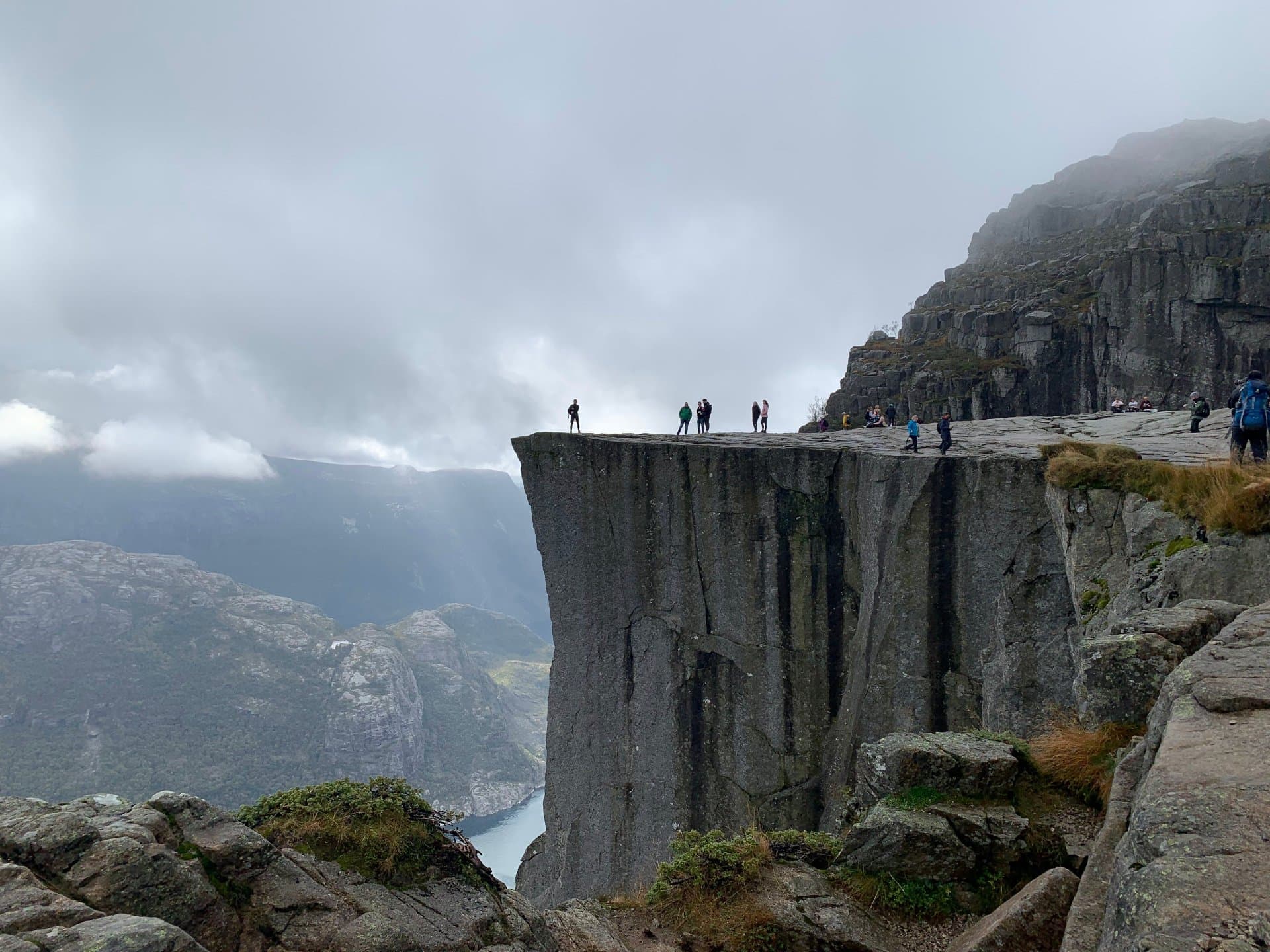
The Nakpanduri Scarp is a dramatic escarpment in the North East Region where the land drops away in a sudden cliff line, offering views across the plains below that stretch to the horizon with almost nothing but savanna and scattered villages in sight. It's one of the most underrated viewpoints in the entire country, and you'll likely have it entirely to yourself. The nearby town of Nakpanduri has basic guesthouses; arrive the evening before to catch sunrise from the cliff edge, when the plains below are lit gold and the air is at its coolest.
Digya National Park
Occupying a peninsula that juts into Lake Volta, Digya National Park is nearly an island — much of its perimeter is water, and reaching it typically means a boat crossing from the nearest accessible town. This isolation has made it one of Ghana's most overlooked reserves despite healthy populations of roan antelope, buffalo, and birdlife along the lakeshore. There's essentially no tourist infrastructure, which is precisely the point for the kind of traveler drawn to this list — bring a guide who has arranged the boat transfer in advance, and expect to camp.
Shiare Hills
In the Upper East Region, the Shiare Hills rise abruptly from the surrounding plains in a landscape of granite boulders and traditional Kusasi compounds built from mud and thatch. Few outsiders make it out this way, and those who do usually come for the striking rock formations that locals climb for both farming vantage points and, historically, defense during regional conflicts. The area rewards slow travel — spend time in a nearby village rather than rushing the hills themselves, and you'll likely be invited to share a meal.
Bia National Park
Near the border with Côte d'Ivoire, Bia National Park protects one of Ghana's last stands of primary rainforest, home to some of the tallest trees remaining in the country and a healthy population of primates including the increasingly rare Diana monkey. Bia sees a fraction of the visitors that Kakum or Mole attract, largely because reaching it demands a long drive on rough roads through the Western North Region. The reward is forest that has never been logged, with a canopy so dense that midday feels like dusk beneath it.
Brewaniase Slave Route
The Brewaniase Slave Route, part of a network of trails once used to march captives from the interior toward the coastal forts, survives today as a quiet forest path in the Eastern Region. Local guides who grew up hearing the oral history of the route lead walks along preserved sections, pointing out resting stones and river crossings referenced in community memory. It's a sobering, largely unmarketed complement to the coastal castles — a chance to understand the interior side of the transatlantic trade rather than only its endpoint.
Gambaga Escarpment
The Gambaga Escarpment cuts across the North East Region in a long ridge that has historically marked both a geographic and cultural boundary. The town of Gambaga itself sits atop the escarpment and offers sweeping views over the lowlands, along with a complicated, difficult history as a settlement for women accused of witchcraft — a topic worth researching before you visit, as it adds real weight to a place that might otherwise be just a scenic overlook. Go with a guide who can speak to this history honestly.
Plan Your Trip
None of these destinations are set up for spontaneous, unplanned visits — that's the whole point. Work with a Ghana-based tour operator or an experienced local driver who has been to at least some of these spots before, budget extra days for rough roads and unpredictable transport, and carry more cash and supplies than feels necessary. Combine two or three of these with a stay in a nearby regional capital rather than trying to string all ten together in one trip. The reward for the extra planning is a version of Ghana that very few travelers, foreign or domestic, ever get to see.
References

 Kofi Mensah