Ghana is already an affordable destination by international standards, but there's a meaningful difference between "affordable" and "budget," and the gap is mostly about how you move around and where you eat. Tourist taxis and private drivers can eat through a travel budget fast; trotros (the shared minivans that form the backbone of Ghanaian public transport) cost a fraction of the price and are, once you get the hang of them, a genuinely fun way to travel. This guide covers nine attractions — markets, beaches, waterfalls, and one of the country's most important historic sites — with an emphasis on what they actually cost, how to reach them cheaply, and where to eat well without spending much.
A quick primer on trotros: they leave from designated stations once full rather than on a fixed schedule, fares are paid to a "mate" (conductor) who calls out the destination, and asking a local "how much to [destination]?" before boarding is a normal, expected question that helps you avoid overpaying as a visitor.
Free and Nearly-Free: Makola Market, Accra
Makola Market in central Accra costs nothing to enter and offers one of the best free afternoons in the city — a sprawling, chaotic, block-spanning market selling everything from fabric and produce to household goods and street food. Simply walking through it is an experience in itself, and it's also the cheapest place in Accra to buy kente offcuts, wax-print fabric, or snacks for the road.
Cost: Free to browse; budget a few cedis for street food like kelewele (spiced fried plantain) or roasted groundnuts.
Getting there: Central Accra, walkable from Kwame Nkrumah Circle or reachable by a short trotro or Bolt ride.
Good to know: Keep valuables secure and be alert in crowds, as with any busy market.
Jamestown Lighthouse and Old Accra
Jamestown, one of Accra's oldest neighborhoods, is a free and endlessly walkable district built around a working fishing harbor, colonial-era buildings, and a red-and-white lighthouse that's still climbable for a small fee. The neighborhood's mural-covered walls, boxing gyms (Jamestown has produced several of Ghana's world-class boxers), and canoe-lined beach make for a rich few hours without spending much beyond the lighthouse entry fee and maybe a fresh coconut from a street vendor.
Cost: A modest fee to climb the lighthouse; otherwise free to explore.
Getting there: A short taxi or trotro ride from central Accra.
Good to know: Hiring a local guide for a couple of cedis is well worth it here — Jamestown's history is dense and easy to miss without context.
Labadi Beach — Ghana's Cheapest Beach Day
Labadi Beach charges a small entry gate fee, making it one of the most affordable proper beach days in the country. Bring your own snacks and drinks if you're watching costs closely, though the beachside vendors selling grilled fish and cold drinks are reasonably priced too. It's an easy way to spend a full day for the cost of the gate fee alone.
Cost: Small gate entry fee; chairs and umbrellas can be rented cheaply if you want them.
Getting there: A short, inexpensive trotro or shared taxi ride from most parts of Accra.
Good to know: Weekday visits are quieter and just as cheap as weekends.
Boti Falls — A Budget Waterfall Escape
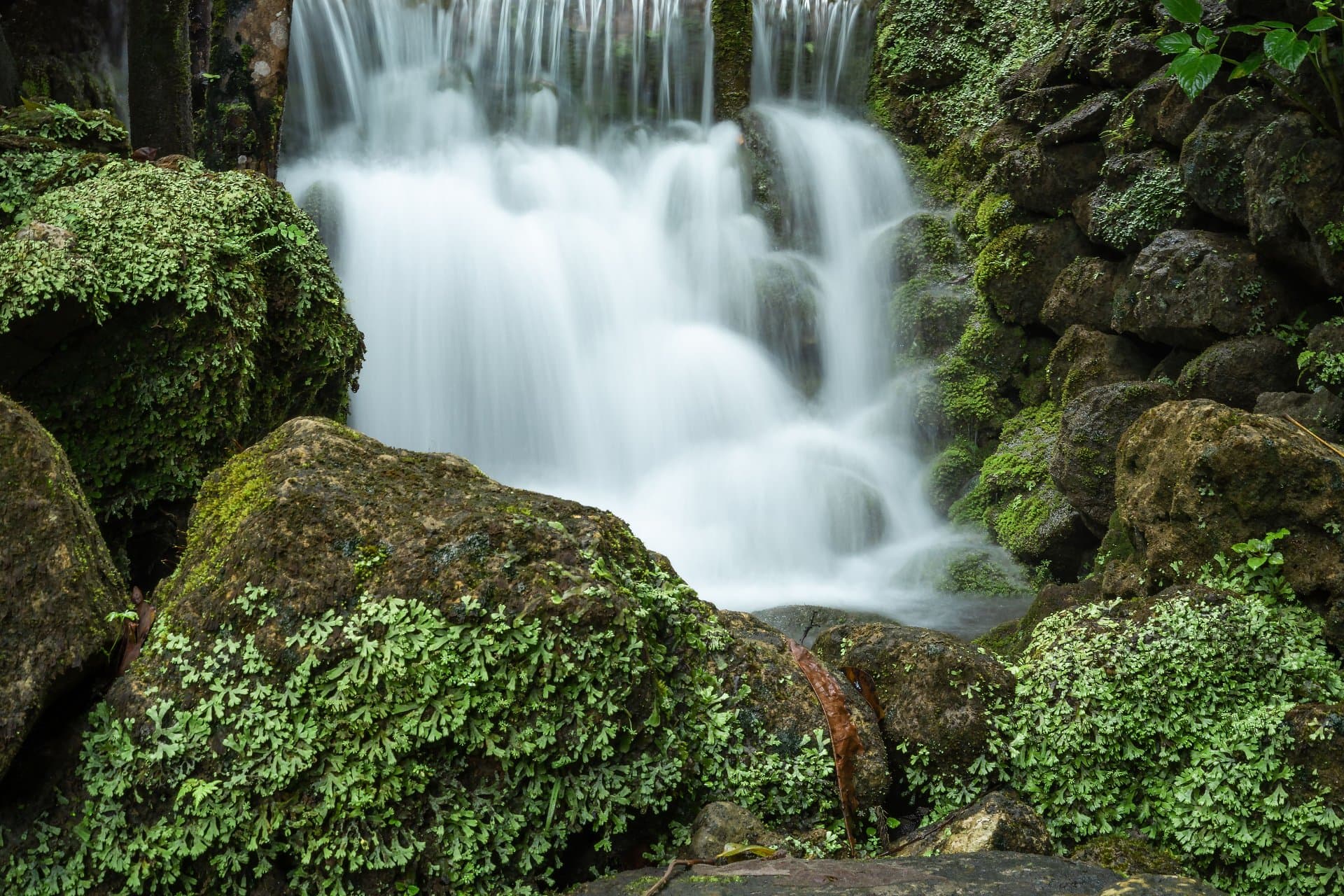
Boti Falls charges a modest park entry fee that covers access to the twin falls, the swimming pool at the base, and nearby natural formations like the "umbrella rock." It's a full day of scenery and swimming for very little money, and one of the best value nature stops within a few hours of Accra.
Cost: A modest entrance fee covers the whole site.
Getting there: Trotro from Accra to Koforidua, then a shared taxi on to the falls — a fraction of the cost of hiring a private driver for the day.
Good to know: Bring your own packed lunch — there are limited food options directly at the site, though small stalls sell snacks near the entrance.
Cape Coast Castle — History Without the Splurge
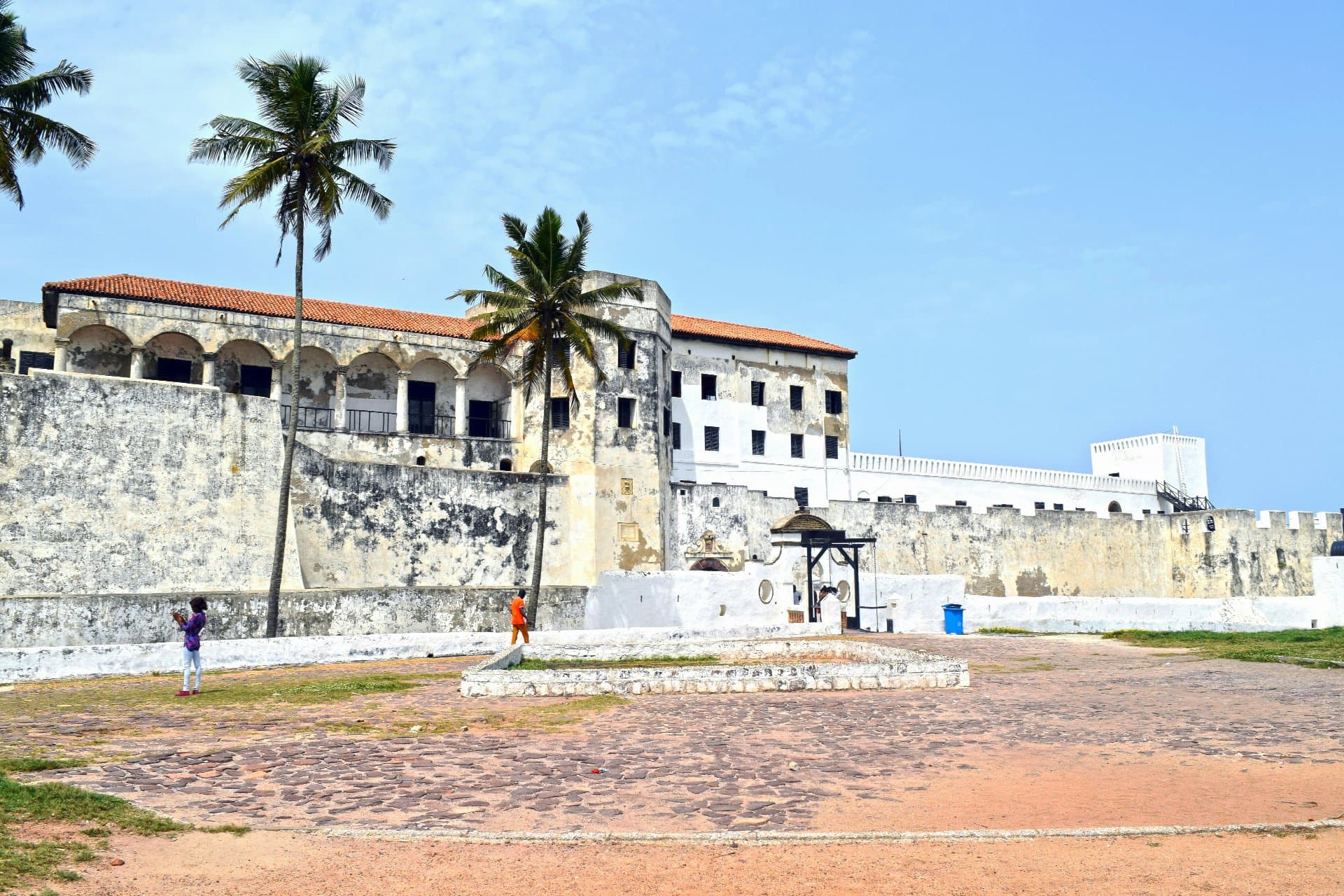
Cape Coast Castle's entry fee is modest for the depth of history it covers — a guided tour through the dungeons and the "Door of No Return" is one of the most important historical experiences in West Africa, and the ticket price includes the guided tour itself, so there's no separate cost for context and interpretation.
Cost: A single moderate entry fee includes the guided tour.
Getting there: Regular trotros run from Accra's Kaneshie or Tudu stations directly to Cape Coast, a journey of roughly 3 hours for a low fare.
Good to know: Combine with a walk through Cape Coast's own old town and fishing harbor, both free, to round out the historical picture.
Mount Afadjato — Ghana's Highest Peak, Lowest Cost
Climbing Mount Afadjato, Ghana's highest peak in the Volta Region, costs only a small community guide fee, since the hike is organized through the local village at the mountain's base rather than a commercial tour operator. The round trip takes a few hours and rewards the climb with views over the Ghana-Togo border hills.
Cost: A modest guide fee, mandatory and paid directly to the community.
Getting there: Trotro from Hohoe to the base village of Liati Wote, a short and inexpensive ride.
Good to know: Go early morning — it's cooler for the climb and the views are clearest before midday haze sets in.
Kejetia Market, Kumasi — West Africa's Biggest Market
Kejetia Market in Kumasi is reportedly the largest market in West Africa, and simply wandering its packed lanes of stalls costs nothing beyond whatever you choose to buy. It's an overwhelming, fully immersive experience in Ghanaian commerce — fabric, food, hardware, electronics — and a great way to spend a free afternoon in Kumasi.
Cost: Free to enter and explore.
Getting there: Central Kumasi, walkable from most downtown accommodation or a short taxi ride.
Good to know: Go with a small amount of cash and no valuables you're not prepared to keep a close eye on — it's crowded and easy to get turned around in.
Busua Beach — Backpacker Budget by the Sea
Busua has long been a budget-traveler favorite on Ghana's coast, with guesthouses, hostels, and beachfront rooms priced well below the resort rates found elsewhere. Surf lessons are available at reasonable hourly rates, and the beach itself, like all of Ghana's public beaches, is free to enjoy.
Cost: Free beach access; budget accommodation and inexpensive surf lesson rates make it one of the cheapest coastal bases in the country.
Getting there: Trotro or shared taxi from Takoradi via Agona Nkwanta.
Good to know: Eating at the small local chop bars along the beach road is both cheaper and often better than the tourist-facing restaurants.
Techiman Market — Ghana's Food Basket
Techiman, in the Bono East Region, hosts one of the country's most important agricultural markets, particularly lively on its main market days when farmers from across the region bring produce to sell. It's free to walk through and a genuinely useful stop for stocking up on cheap fresh fruit for the road.
Cost: Free to enter; very low prices on fresh produce.
Getting there: Techiman sits on the main north-south trotro route between Kumasi and Tamale, making it an easy, low-cost stop to build into a longer journey.
Good to know: Market days draw the biggest crowds and best selection — ask locally which days those fall on before planning your stop.
Plan Your Trip
The single biggest budget lever in Ghana is transport: trotros cost a small fraction of private taxis or hired drivers over the same distance, and once you're comfortable asking "how much to [destination]?" before boarding, the savings add up fast over a multi-week trip. Eat where Ghanaians eat — waakye stalls, chop bars, and roadside kelewele vendors are cheaper and often tastier than restaurants aimed at tourists. Most of the attractions above charge a modest, fixed entry fee rather than the inflated "tourist pricing" found in some countries, so a genuinely low-cost, high-experience trip through Ghana is very achievable with some patience and a willingness to travel the way locals do.
References

 Kofi Mensah