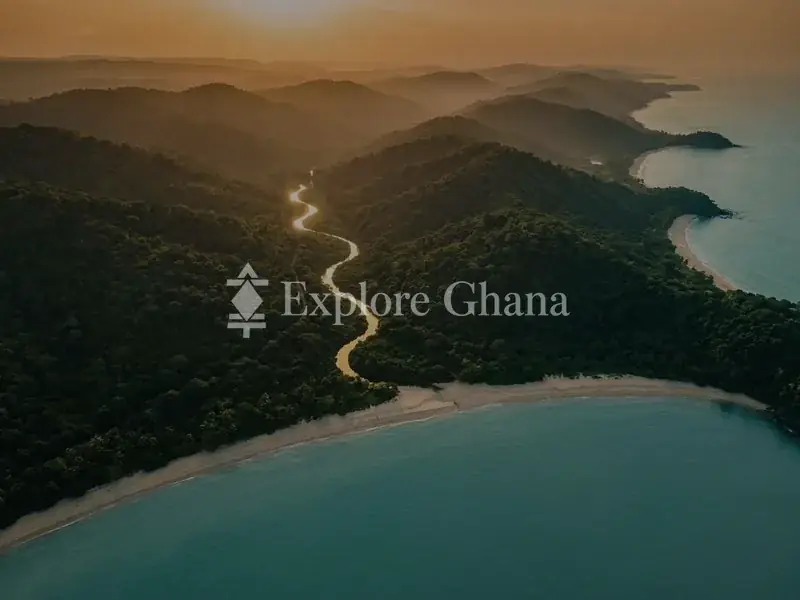
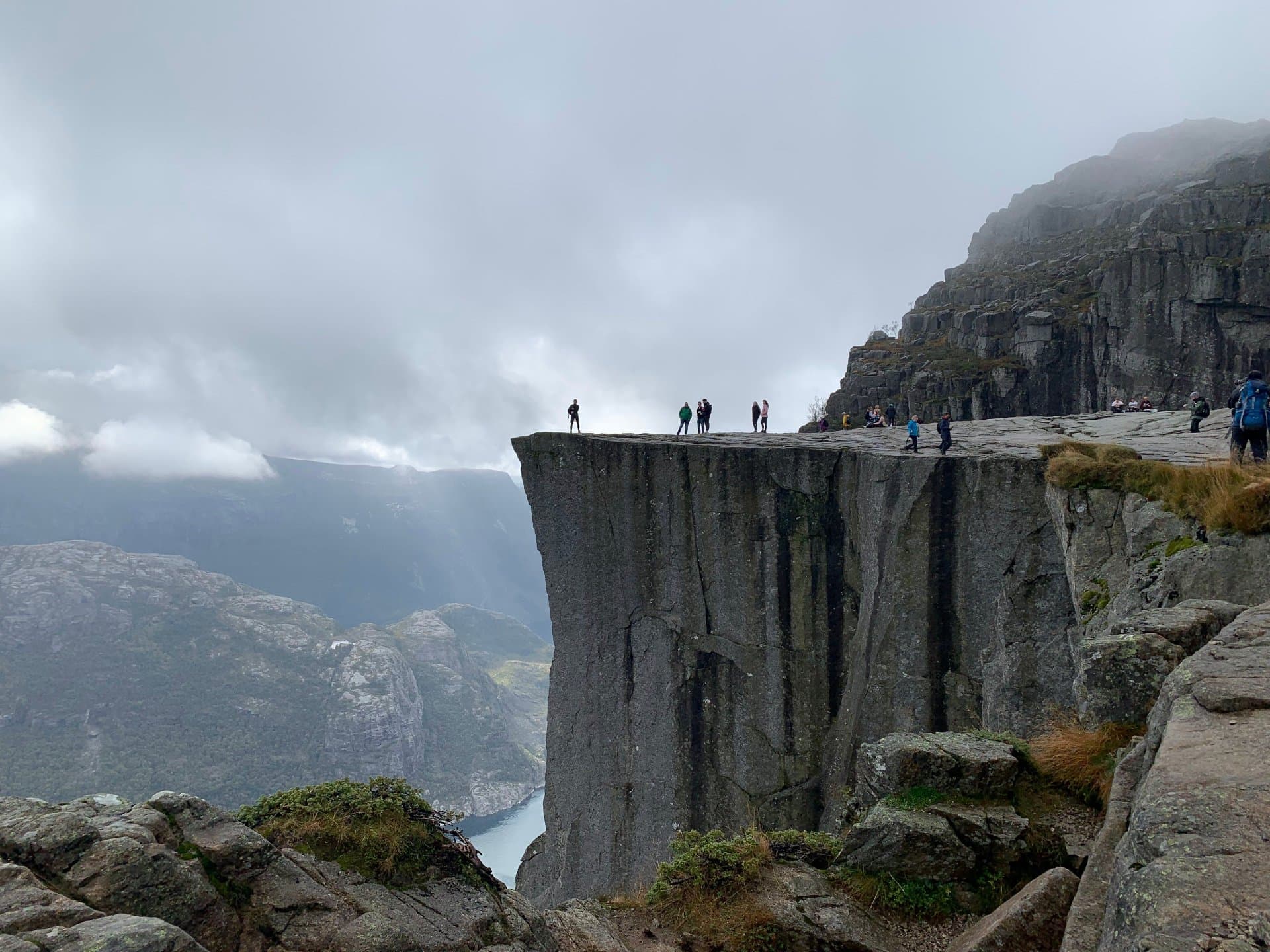
Ghana rewards anyone carrying a camera. The light here does something particular in the early morning and late afternoon — it turns rust-red laterite roads gold, sets the Atlantic on fire behind old slave forts, and rakes low across savanna grass until every blade throws its own shadow. This guide rounds up ten locations that consistently produce frame-worthy images, along with notes on when to show up, what to point your lens at, and what to actually pack so you're not fumbling with gear when the light is perfect.
A quick technical note before we start: golden hour in Ghana runs roughly 6:00–7:00am and 5:00–6:15pm year-round, since the country sits close to the equator and doesn't get the long, lingering summer evenings you might expect from temperate-zone photography guides. Harmattan season (November–March) brings a dusty haze that can mute colors midday but produces extraordinary soft, diffused light at the edges of the day. Rainy season (April–October) is riskier for outdoor shoots but delivers the deepest greens and the most dramatic cloud formations you'll ever photograph.
Jamestown Lighthouse
The colonial-era lighthouse at Jamestown in Accra is one of the most photographed structures in Ghana, and for good reason. Its red-and-white stripes pop against both a blue sky and the weathered fishing boats scattered across the beach below. Shoot from the beach at low tide in the late afternoon to get the lighthouse silhouetted against the sun, or climb to a rooftop vantage point in the surrounding neighborhood (ask permission, a small tip is customary) for a wide shot that includes the corrugated rooftops of Jamestown itself. The real subject here isn't the lighthouse alone — it's the daily life around it: fishermen mending nets, children playing football on the sand, canoes painted in bright, hand-lettered colors. A telephoto lens (70-200mm equivalent) lets you compress these human moments without intruding.
Elmina Castle
Elmina Castle, the oldest European building in sub-Saharan Africa, photographs beautifully in the first hour of light, when the whitewashed walls catch a warm, low sun and the surrounding lagoon is still glassy enough to reflect the fort. Walk around to the fishing harbor side for a composition that places the castle behind a foreground of brightly painted wooden boats — this is the single most iconic frame in coastal Ghana. Inside, the dungeons demand a very different approach: bring a fast lens (f/1.8–f/2.8) since flash is discouraged and the low light is part of the emotional weight of the space. Treat this location with the gravity it deserves; it is a site of profound historical suffering, not just a backdrop.
Nzulezo Stilt Village
Reaching Nzulezo requires a canoe paddle across Lake Tadane through a corridor of dense mangrove, and that journey alone is worth half your memory card. The village itself — an entire community built on stilts over the water — offers reflection shots that are almost too perfect: wooden walkways doubling in the still lake surface, laundry lines strung between houses, children fishing from their own front porches. Go in the morning when the water is calmest and the light is soft; midday sun creates harsh reflections that wash out the wood tones. A polarizing filter cuts glare on the water and saturates the greens of the surrounding swamp forest.
Wli Waterfalls
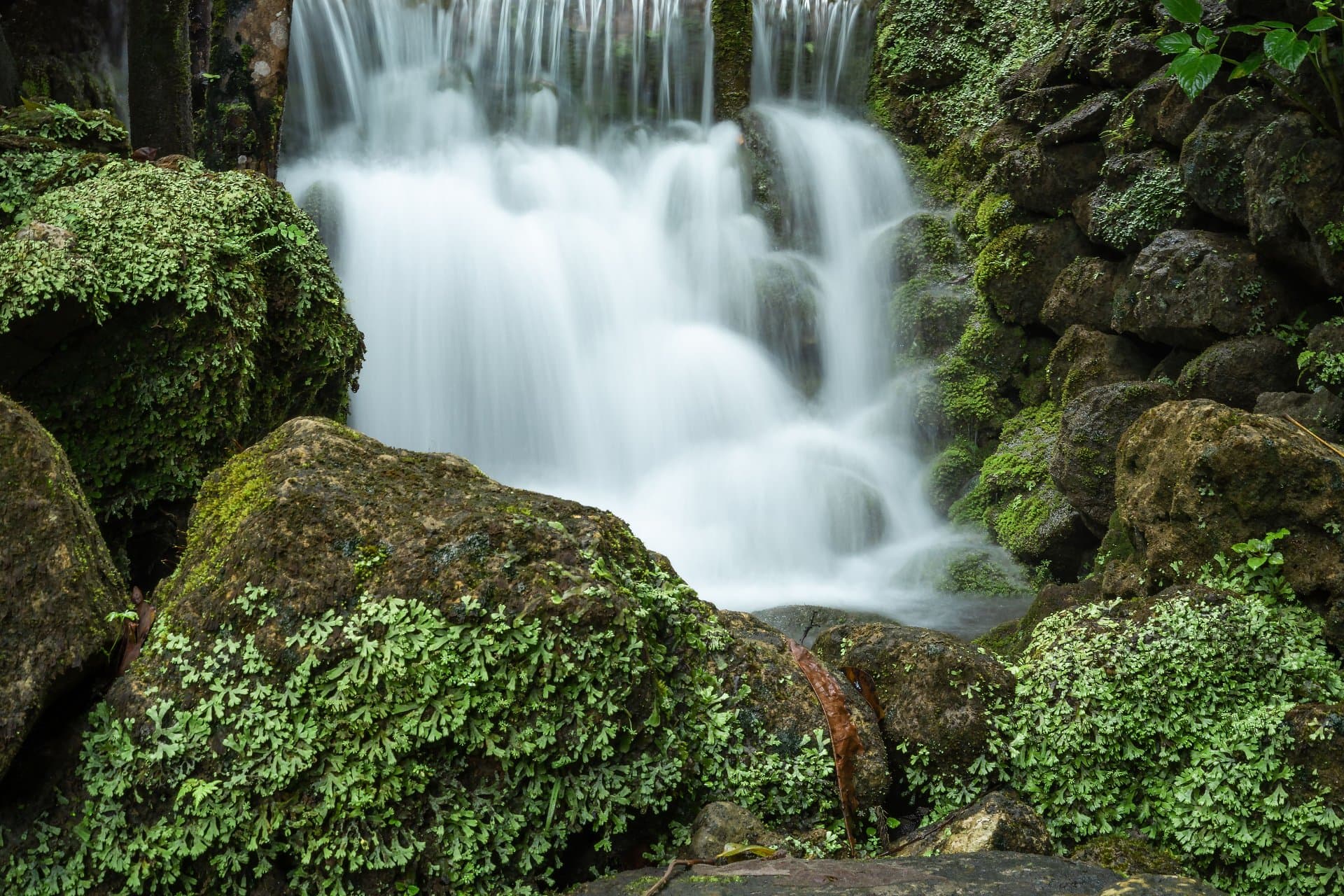
Wli Waterfalls, the tallest in West Africa, is a study in contrast and patience. The upper falls plunge dramatically into a plunge pool ringed by cliffs where fruit bats roost by the thousands — time your visit for late afternoon and you may catch the bats lifting off in a dark cloud against the sky. A neutral density filter is essential if you want the classic silky-water long exposure; without one, the spray-heavy midday light will blow out your highlights. Bring a rain sleeve or dry bag for your camera regardless of the time of year — the mist off the falls travels further than you'd expect.
Cape Three Points
The southernmost tip of Ghana, Cape Three Points, is a rugged, palm-lined headland where the coastline curves through coves, sea stacks, and a working lighthouse. Sunrise here is genuinely spectacular — the sun rises directly out of the Atlantic with almost nothing between you and the horizon. Wide-angle shots from the rocky bluffs capture the drama of the coastline, while a slower shutter speed on the tide pools below smooths the incoming waves into mist. This is a remote spot with minimal infrastructure, so bring spare batteries; there's nowhere nearby to recharge.
Sirigu Painted Houses
In the far north, the women of Sirigu maintain a centuries-old tradition of painting their mud homes with bold geometric patterns in black, white, and ochre using natural pigments. This is graphic, textural photography — get in close on the wall patterns with a mid-range lens, then pull back to show the pattern wrapping around the curved architecture of a full compound. Morning light rakes across the textured mud walls and makes the relief patterns pop with shadow. Always ask before photographing people directly, and consider supporting the community by purchasing a small painting or craft — it funds the tradition's continuation.
Kakum National Park
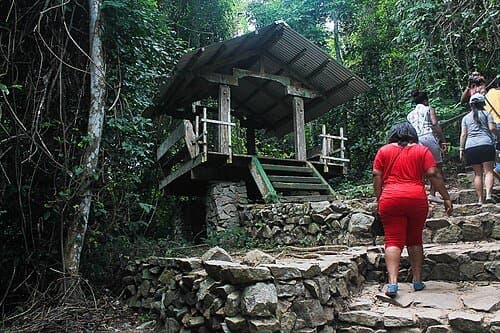
The canopy walkway at Kakum, suspended nearly 30 meters above the rainforest floor, is one of the few places in Ghana where you can photograph a tropical forest canopy from within it rather than below it. Arrive at opening time (usually 6am for the early tour) to catch mist rising off the canopy and to beat both the heat and the crowds — a steady bridge is much easier to shoot from before foot traffic starts it swaying. A wide-angle lens captures the scale of the walkway itself; a longer lens is better for spotting hornbills and monkeys moving through the upper branches.
Lake Bosomtwe
Ghana's only natural lake, formed by a meteorite impact over a million years ago, sits inside a near-perfect circular crater in the Ashanti Region. Lake Bosomtwe is sacred to the Ashanti people, so photograph respectfully, especially around fishing canoes and shoreline rituals. The crater walls create a natural amphitheater that traps low light beautifully at both sunrise and sunset — position yourself on the eastern shore for a sunset shoot with the water reflecting the crater's forested rim. A drone (where permitted) reveals the full circular geometry of the crater in a way no ground shot can.
Amedzofe and Mount Gemi
Perched at over 700 meters in the Avatime Hills, Amedzofe is Ghana's highest settlement and the base for climbing Mount Gemi, topped with a striking white cross visible for kilometers. The hike up rewards you with layered valley views that stack into blue haze on the horizon — classic mountain photography conditions, best shot in the crisp light just after sunrise before the day's humidity builds a haze. The village itself, with its cool climate and colonial-era church, offers a nice contrast of architecture against the surrounding green terraced hills.
Mole National Park
Ghana's largest wildlife reserve, Mole National Park, is the place to bring your longest lens. Elephants gather at the waterhole below the motel viewing platform, often in the golden light of late afternoon, making for a genuinely world-class wildlife photography opportunity without the crowds or costs of East African safaris. A 300mm+ lens (or a teleconverter) is close to essential; a bean bag or monopod helps stabilize shots during the early morning walking safaris. Warthogs, kob antelope, and baboons are near-guaranteed sightings, with elephants appearing most reliably in the dry season (December–April) when the waterhole draws them in.
Plan Your Trip
Pack light but pack smart: a versatile zoom (24-105mm equivalent) covers most of these locations, supplemented by a longer lens for Mole's wildlife and a wide-angle for Cape Three Points and the canopy walkway. Bring more memory cards and batteries than you think you need — charging opportunities are sparse outside Accra and Kumasi, and a good sighting at Mole waits for no one. Most importantly, slow down. The best images from this list come from patience — waiting for the light, waiting for the fishermen to finish their nets, waiting for the elephants to walk into frame — not from rushing between stops on a checklist.
References

 Kofi Mensah